
spaceX starship Shocking Bold Move Changing Space Travel Real
Table of Contents
-
- Starship SpaceX’s Shocking Bold Move Changing Space Travel Real
- Introduction to SpaceX Starship . SpaceX Starship – The Future of Space Travel
- Reusability and Cost Efficiency
- Mars Colonization Vision
- Super Heavy Booster & Raptor Engines . The Vision Behind SpaceX Starship
- Elon Musk’s Goals for Humanity
- Sustainability and Colonization
- Previous Milestones . Engineering Marvel: How Starship Works
- Deep-Space Capabilities
- Reusability Design . Historic Test Flights and Challenges
- Key Milestones (2023–2024)
- Successes & Setbacks
- Lessons Learned . Starship: The Gateway to Humanity’s Future
- NASA Partnership
- Mars Mission Timeline
- Launch Frequency & FAA Approval . A New Era of Space Exploration
- Impact on Humanity’s Cosmic Role .
- Starship SpaceX’s Shocking Bold Move Changing Space Travel Real
SpaceX Starship – The Future of Space Travel
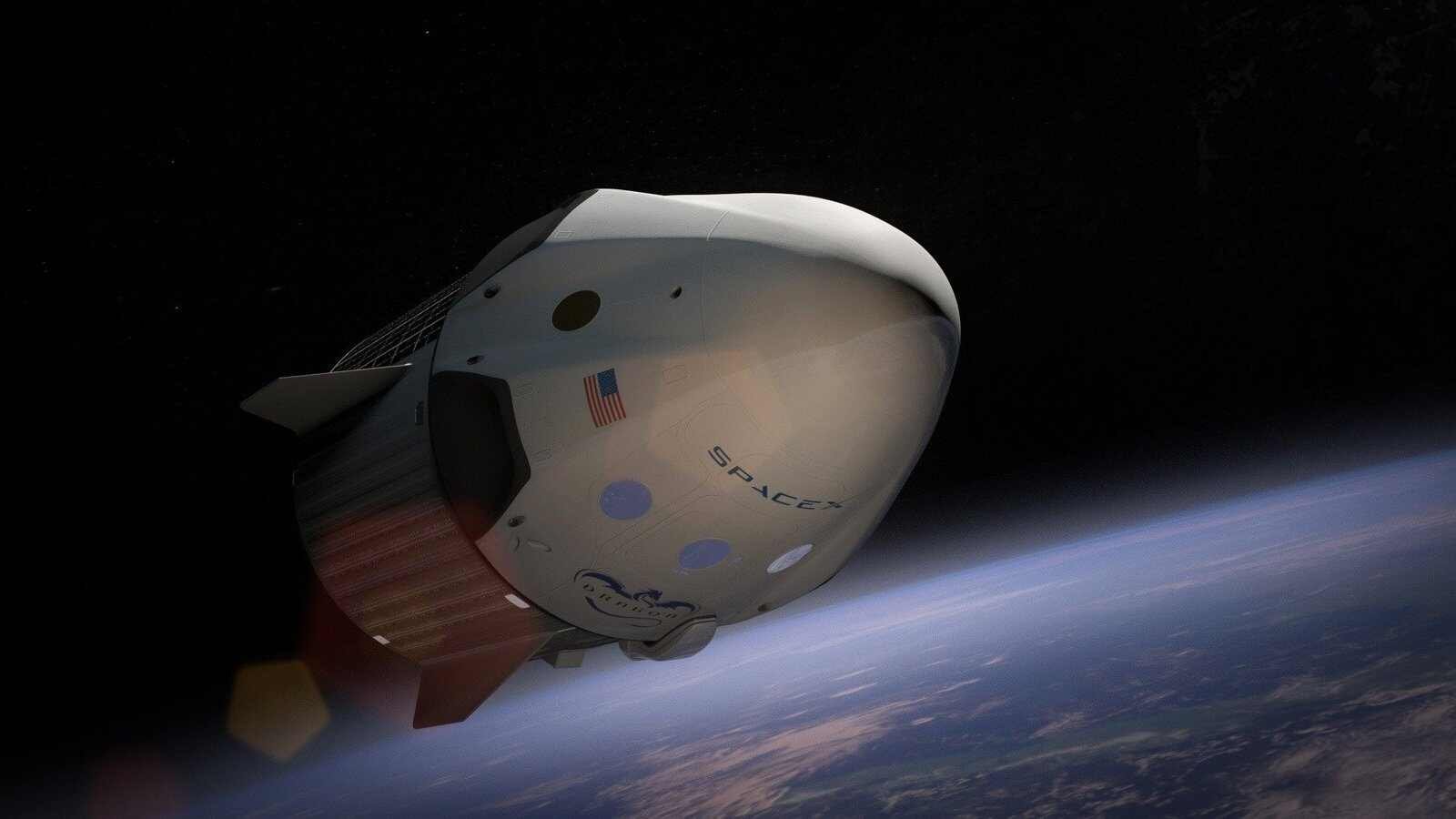
SpaceX, founded by Elon Musk, has revolutionized space exploration with its ambitious Starship project. Designed as a fully reusable spacecraft, Starship aims to make interplanetary travel a reality, significantly reducing costs and increasing launch frequency. Musk envisions Starship as the key to colonizing Mars, enabling humanity to become a multiplanetary species.
Unlike traditional rockets, Starship boasts unprecedented payload capacity, advanced Raptor engines, and a Super Heavy booster, making it the most powerful launch system ever developed. Its ability to transport both crew and cargo to destinations like the Moon, Mars, and beyond positions it as a game-changer in space exploration.
The Vision Behind spaceX Starship
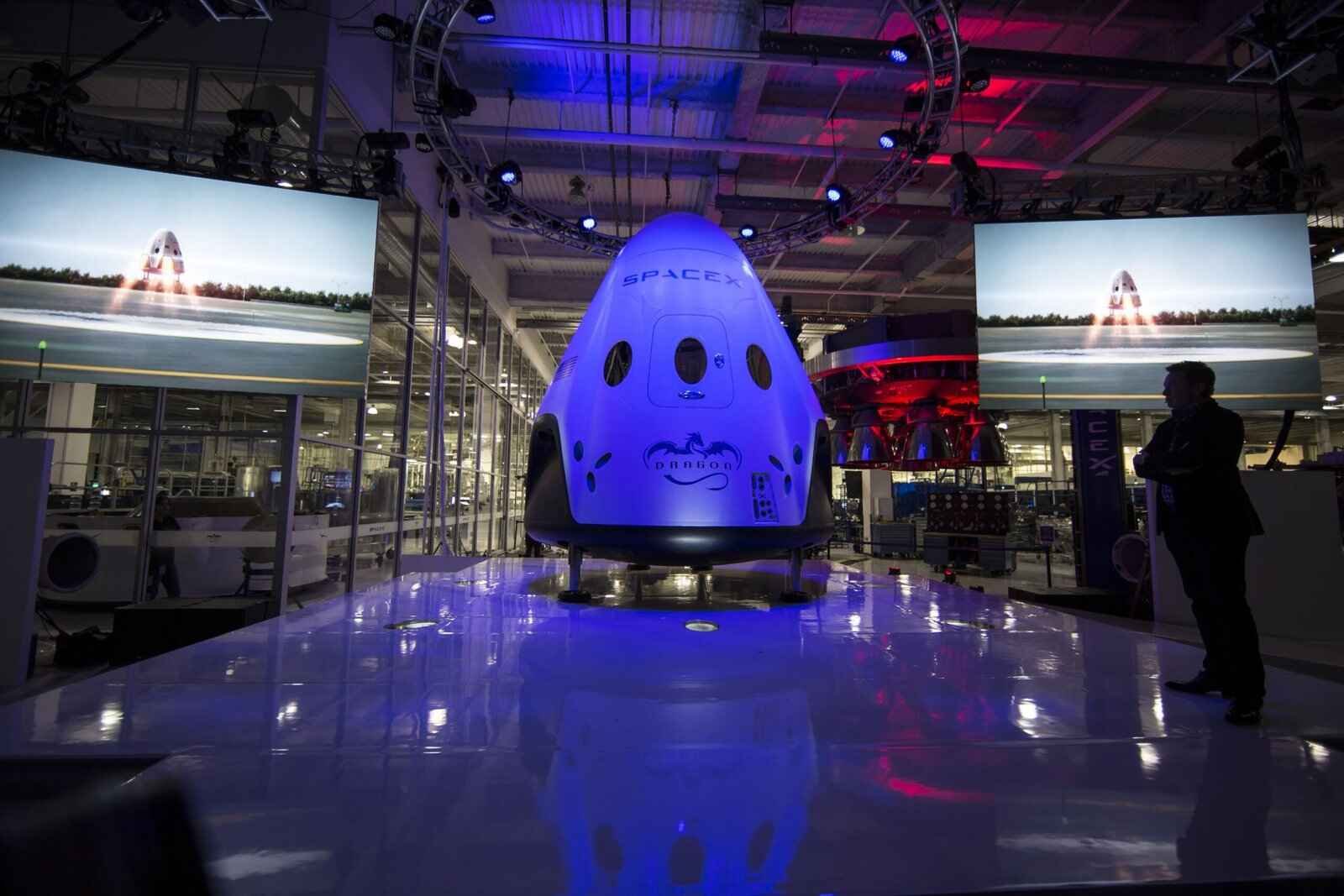
Elon Musk’s dream of transforming humanity into a multiplanetary species is driven by the need to secure our future beyond Earth. With the eventual demise of our planet by the Sun, Musk aims to establish a thriving city on Mars, ensuring the survival of human civilization. SpaceX’s Starship is pivotal to this vision, crafted as a fully reusable spacecraft to transport humans and cargo to the Moon, Mars, and beyond. By making space travel more affordable and sustainable, SpaceX is set to revolutionize interplanetary colonization. The company’s groundbreaking achievements, such as the first privately developed liquid-fuel rocket to orbit and the first reusable rocket booster landing, have laid the foundation for Starship’s development, bringing deep-space missions within reach.
Historic Test Flights and Challenges
SpaceX’s Starship has gone through multiple test flights, each providing valuable insights.
Key Milestones
- April 2023: First integrated flight—stage separation failure.
- November 2023: Successful separation, but lost upper-stage control.
- March 2024: Reached orbital velocity, tested payload door.
- June 2024: First controlled ocean landing after reentry.
Successes & Setbacks
Success: Booster recovery, heat shield validation, orbital flight.
Setbacks: Engine failures, structural challenges, and communication loss.
Lessons Learned
- Fuel system improvements to prevent leaks.
- Heat shield refinements for better durability.
- Raptor engine upgrades for reliability.
- Better telemetry to maintain control.
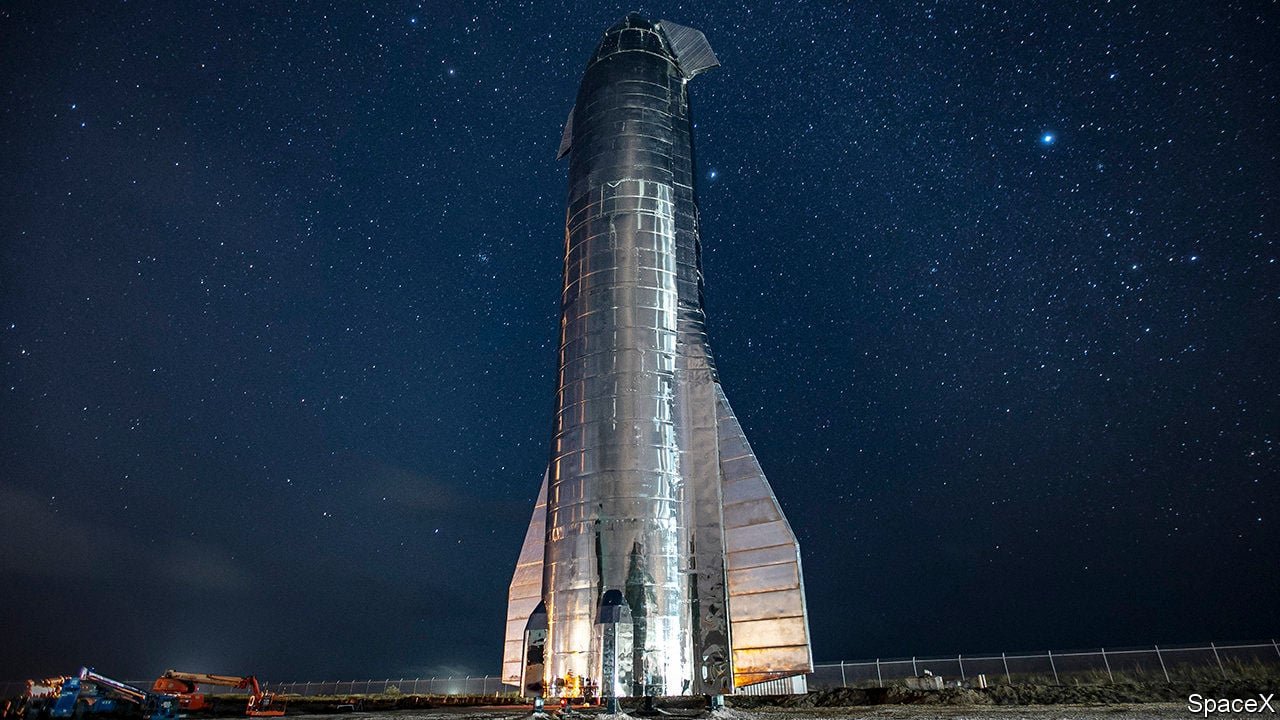
Starship: The Gateway to Humanity’s Future
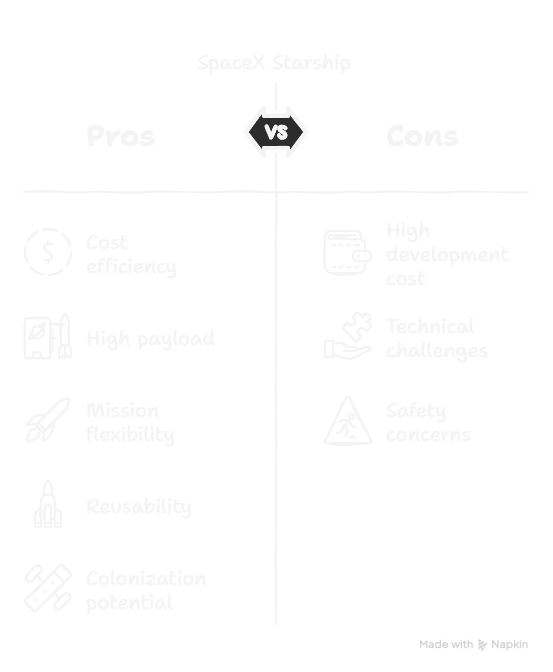
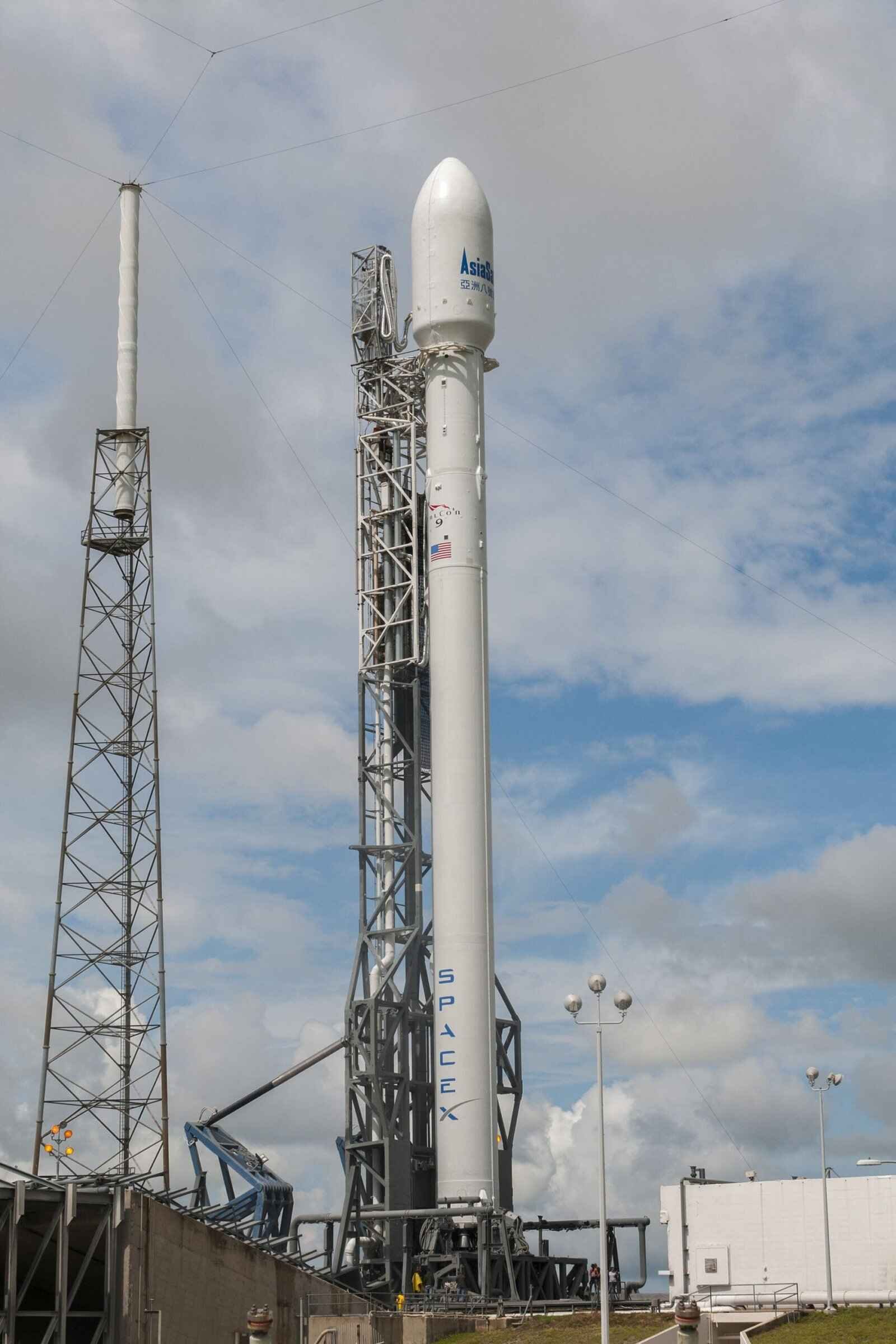
SpaceX’s Starship is more than just a rocket—it’s a revolutionary leap toward making interplanetary travel a reality. With its fully reusable design, powerful Raptor engines, and unmatched payload capacity, Starship is set to transform space exploration and pave the way for Mars colonization.
🚀 What’s Next for Starship?
- 🛰️ NASA Partnership: Starship is officially part of NASA’s launch roster, playing a key role in future lunar and deep-space missions.
- 🌍 Mars Expeditions: SpaceX plans to launch Starships to Mars as early as 2026, testing landing reliability before sending humans.
- 🚀 Frequent Launches: The FAA has approved up to 25 Starship launches per year, accelerating development and testing.
A New Era of Space Exploration
With each test flight, Starship inches closer to redefining humanity’s place in the cosmos. Could this spacecraft be the key to unlocking a future where humans thrive beyond Earth? As SpaceX pushes forward, the dream of becoming a spacefaring civilization is no longer science fiction—it’s happening now. 🌌